This post is part four of a series adapted from Practical KMP, my book on building production Kotlin Multiplatform apps for Android and iOS. Part two built the authentication remote store and modelled its response. Implementing the Sign-up Endpoint Now that we’ve created the models for receiving back an authentication response, it’s time for us… Continue reading
Post Category → Firebase
Practical Kotlin Multiplatform: Creating the Firebase Auth Remote Store with Ktor
This post is part two of a series adapted from Practical KMP, my book on building production Kotlin Multiplatform apps for Android and iOS. If you missed it, part one covered setting up the shared networking module. Introduction With our shared module now set up, we have the foundations that we need to start building… Continue reading
Using Firebase on Android with Kotlin Coroutines
Whilst recently working on a side project I ran into a situation where I needed to make use of the Android Firebase SDKs. This project of mine uses Kotlin Coroutines for all of the asynchronous task handling, so ideally I wanted to keep any Firebase calls to use the same approach – not only so… Continue reading
Exploring Firebase ML Kit on Android: Smart Reply

Last week Firebase announced a new feature within ML kit that was entering its beta stage, Smart Reply. If you’re not familiar with Smart Reply, the functionality allows applications to supply a collection of suggestions for user input based off of previous content from the current context. A common use case for this is within… Continue reading
Giving Voice to the Voiceless with Flutter
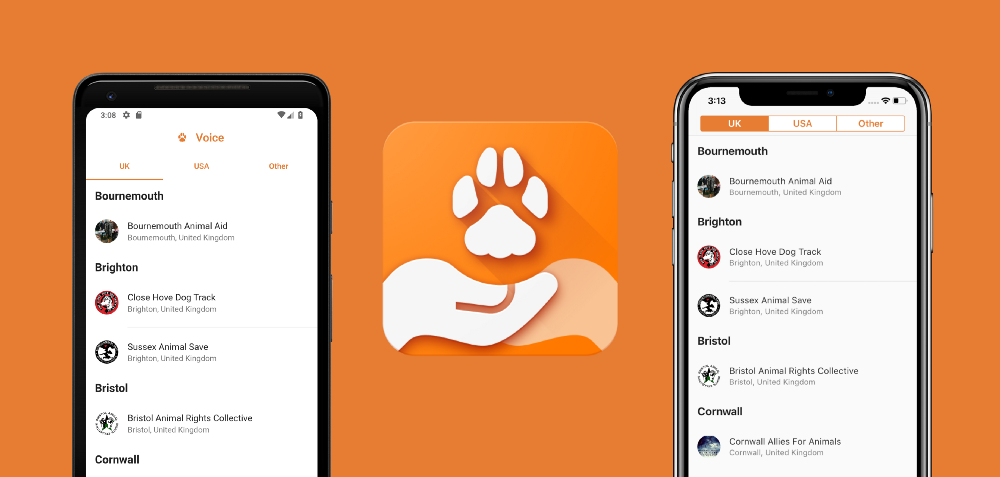
Outside of my working hours I have often spent time with other people involved in animal rights — be it volunteering for a local animal sanctuary, visiting shelters or planning with other animal rights groups. One thing I’ve noticed along this time is that the awareness of these groups has never been too accessible — I’ve only discovered them… Continue reading
An introduction to UI Testing on iOS

I’ve always been a big fan of UI testing where appropriate, we can use it to automate the validation of visual components in our applications which allows us to reduce bugs, regressions and confusing behaviour within our applications — all helping us to save time from manually checking the behaviour and display of our view components. In… Continue reading
Building HashTrack with Flutter: Authentication logic

If you haven’t check out the previous post in these series, then you can do so here: Building HashTrack with Flutter: Intro and setup Building HashTrack with Flutter: Main class and Localization setup You can also find the code for this guide here: Now that we have the foundations of our application built, we’re going… Continue reading