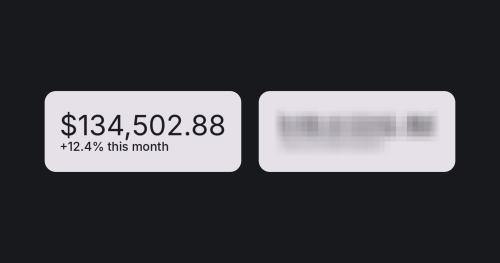
When it comes to displaying portfolio data inside of Sleevd, users can change the selected filters which will adjust the portfolio values based on that selection. Alongside the main graph, we show the total portfolio value along with some small statistics for collection counts. When the user moves between the filter options, the values of… Continue reading
Posts Tagged → Android Apps
8 steps to success with Gemini in Android Studio
AI tooling is becoming a key part of our day-to-day and now with solid Gemini support in Android Studio, we’re seeing engineers embed this deeper in their workflows. When they work well, AI Agents can help us to work more efficiently and give us more time to focus on other tasks. But when they don’t… Continue reading
Exploring Material 3 for Compose: Large Top App Bar
In the last post, we took a look into the new Loading Indicator in the Material 3 expressive package. As we continue to dive into different parts of Material 3 we’ll discover more components that we can plug into our apps. Up next we have the LargeTopAppBar – this composable brings dynamic, scroll-responsive navigation to… Continue reading
Exploring Jetpack Compose for Widgets with Glance
Widgets on Android devices provide users with a way to access core pieces of information and functionality directly from the home screen of their device. As we continue to look for ways to improve our users experiences with our product and surface important information to them from outside of the app, widgets have been a… Continue reading
Migrating to the Compose PullToRefreshBox
Pull to Refresh is a common pattern we find across mobile apps – it allows our users to refresh the content of screen in a single swipe. Jetpack Compose has provided support for this for some time, through the pullRefresh modifier. In your code, this would look something like the following: While this was great… Continue reading
Google Maps in Jetpack Compose: Polylines
In a few recent projects, I’ve needed to utilise Google Maps within environments utilising Jetpack Compose. In the early days of Compose this felt light a sought-after piece of functionality – even though it is still being built on, it now seems to be in a place where I can confidently use it. In this… Continue reading
Google Maps in Jetpack Compose: Markers
In a few recent projects, I’ve needed to utilise Google Maps within environments utilising Jetpack Compose. In the early days of Compose this felt light a sought-after piece of functionality – even though it is still being built on, it now seems to be in a place where I can confidently use it. In this… Continue reading
Seamless Screenshot Testing for Compose with Screenshotbot
In a recent blog post I took a look at the new Compose Preview Screenshot Testing Tool, provided by Google as a way to enable developers to easily write screenshot tests for their composable UI. When it comes to screenshot testing, writing these tests only represents one part of the process – we also need… Continue reading
Jetpack Compose and Nested Scrolling Interoperability
As we migrate our apps to Jetpack Compose, we need to ensure that all existing functionality remains intact. This means that not only the way our UI looks, but the way that it behaves when users interact with it. When recently migrating part of an app to Jetpack Compose, I experienced a broken coordinator layout… Continue reading
Migrating from the ClickableText composable to LinkAnnotation
As of Compose Foundation 1.7.0-alpha07, the ClickableText composable has been marked as deprecated, with plans for it to be removed come 1.8.0. ClickableText is often used to handle URLs within text – while the composable handles the click event, we are still required to manually provide styling attributes via annotated strings. To replace ClickableText, we… Continue reading